MEDIA TRAINING FOR SCIENTISTS
You spent years learning to be rigorous. Television gives you 12 seconds. We teach scientists, researchers and engineers how to explain their work clearly — on camera, on deadline, without jargon and without oversimplifying the science.
Free 20-minute call. No pitch, no pressure.
WHY SCIENTISTS NEED DIFFERENT TRAINING
Jargon Is the Enemy
Turn technical language into plain English a viewer — and a producer — instantly understands, without losing accuracy.
Uncertainty, Handled
How to talk about preliminary findings, confidence intervals and 'we don't know yet' in a way that builds trust instead of alarming headlines.
Complexity, Distilled
Lead with the 'so what.' We teach you to find the one sentence that makes your research matter to a non-scientist.
Soundbites That Survive Editing
Say the one sentence that makes air — so your point, not your caveat, is the clip.
On-Camera Presence
Eye-line, pacing, posture and warmth — the authority that reads as credible rather than stiff or academic.
When Science Is the Story
Breakthroughs, controversies, public-health scares, misinformation. Be the steady, trusted voice when your field is in the news.
THE COACH WHO TRAINED NASA'S ASTRONAUTS
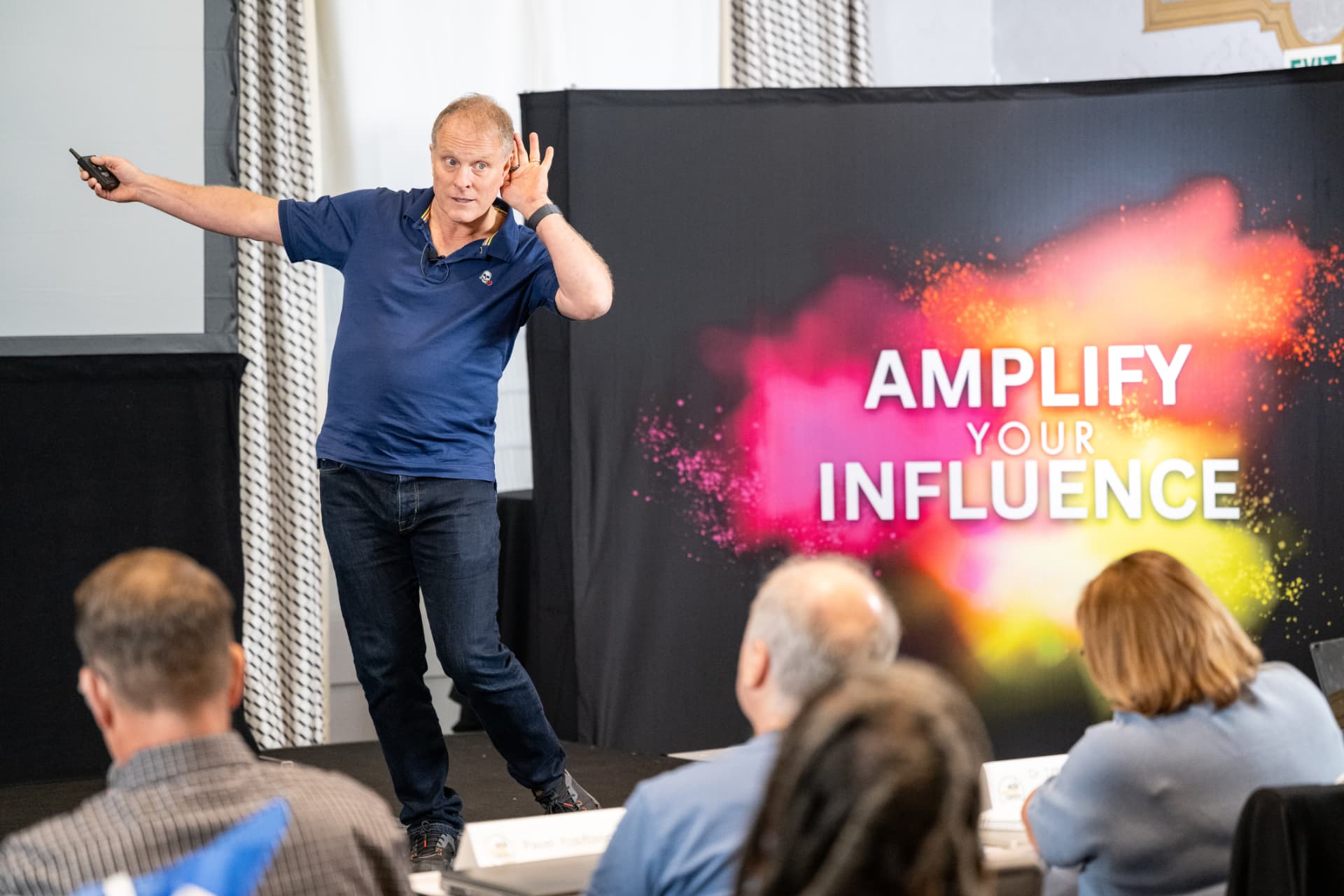
Co-founder John Bates has coached leaders at NASA — including every active astronaut — on how to communicate complex, high-stakes work to the public. He's also coached thousands of technical leaders at organizations like Johnson & Johnson, IBM, Accenture and Boston Scientific, and speakers at 35+ TEDx events.
Paired with 12-time EMMY-winning journalist Mark Albert — who spent two decades asking scientists the questions viewers actually have — you get trained by someone who knows your world and someone who knows the newsroom.
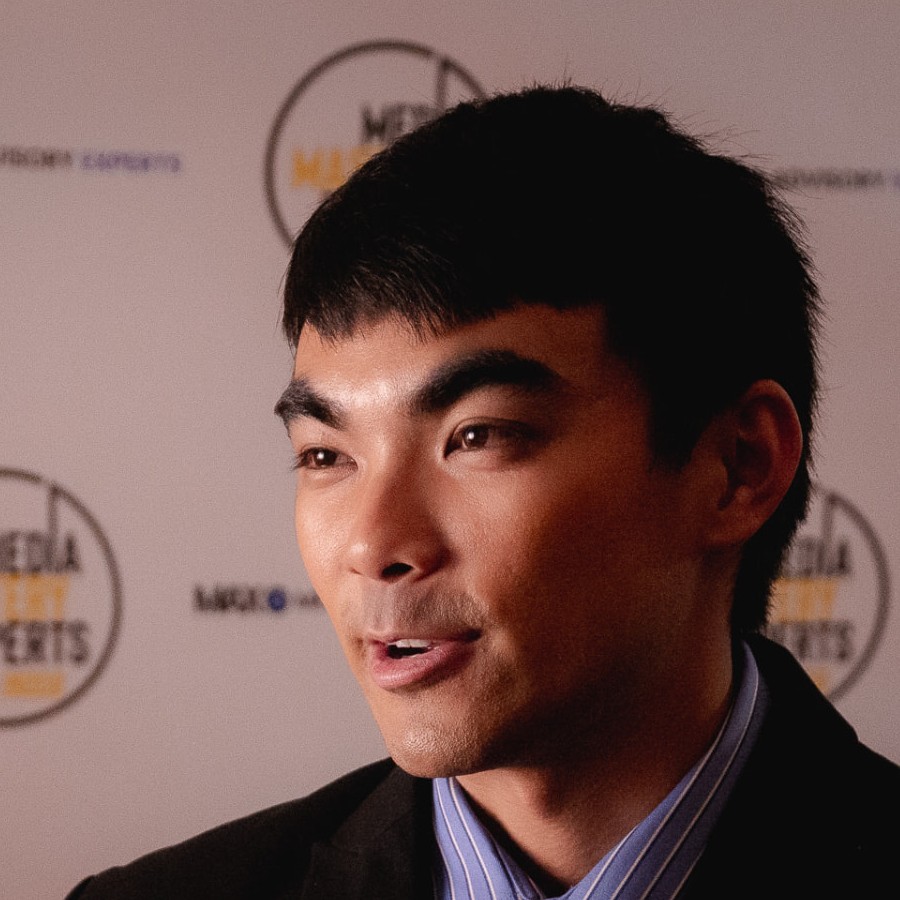
"Thank you John Bates and Mark Albert for your words of wisdom and great stories!.. It's a great honor to have TWO Master Yodas!"
CHOOSE HOW YOU TRAIN
MME LIVE!
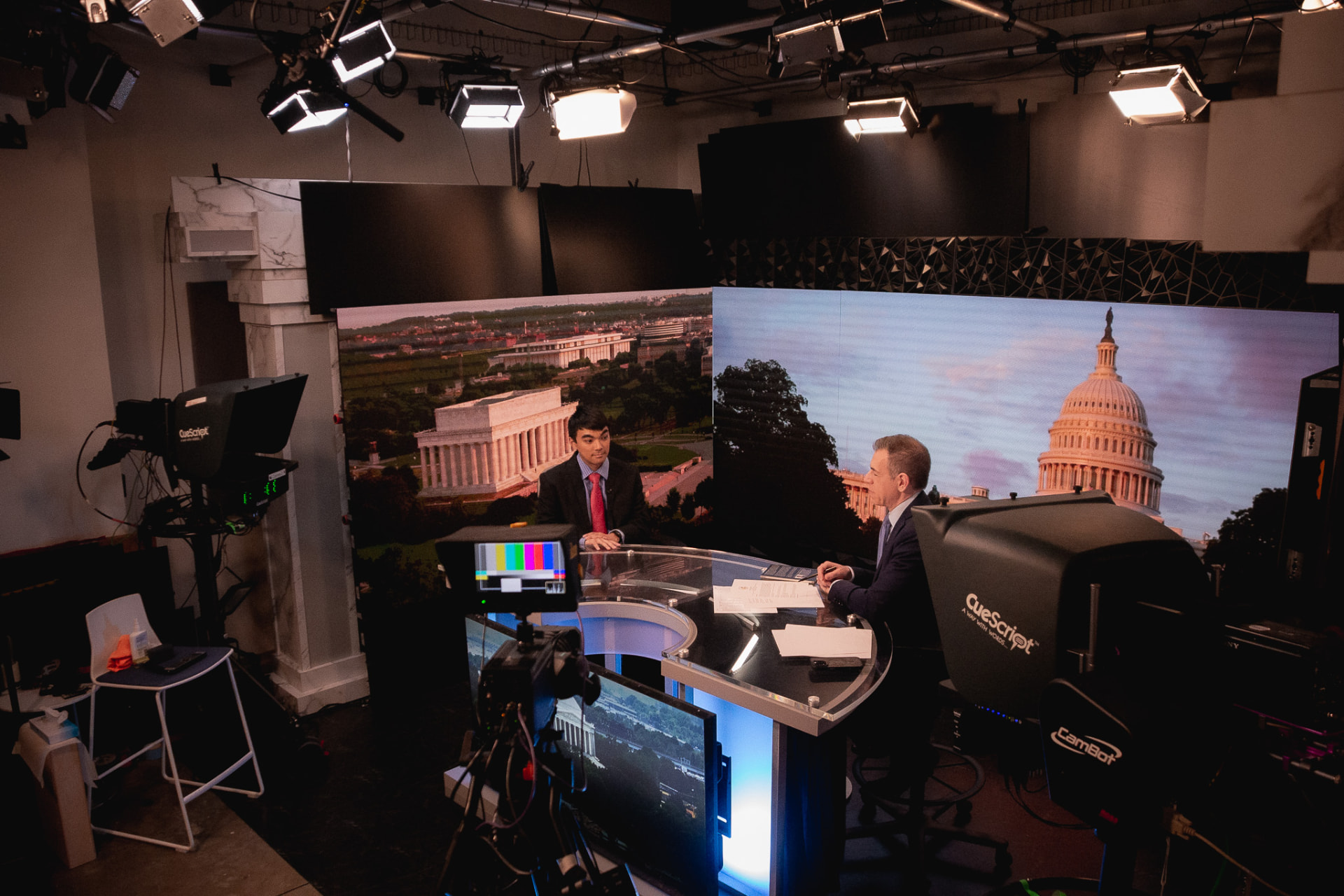
Four days in Washington, D.C. Mock interviews with a working journalist in a real TV studio, stage time, headshots and pitch coaching.
SEE THE AGENDA →VIRTUALGroup Coaching Community
On-demand modules plus twice-weekly live coaching — built to fit around lab, field and research schedules.
EXPLORE THE COURSE →ON-SITELeadership Communication
On-site workshops for research teams, lab directors, universities and science organizations.
BRING US ON SITE →DONE-WITH-YOUCatalyst Program
For graduates who want it done with you — pitches we write with you, journalist lists and a dedicated Client Success Coach. Application-only.
EXPLORE CATALYST →SCIENCE MEDIA TRAINING FAQ
What is media training for scientists?
Media training for scientists teaches researchers how to explain their work to a general audience on TV, radio, podcasts and in print — accurately, quotably and within the seconds a reporter will actually use.
Who is it for?
Research scientists, principal investigators, lab directors, engineers, astronauts, STEM communicators, university researchers and science organization leaders who are asked to speak publicly about their work.
How is science media training different from general media training?
Scientists face unique pressure: complex methods, statistical uncertainty, peer-review caution and the risk of being misquoted on a topic where precision matters. We train you to be clear without oversimplifying, and engaging without overstating the findings.
Have you actually trained scientists before?
Yes. Co-founder John Bates has coached leaders at NASA — including every active astronaut — along with researchers and technical leaders at organizations like Johnson & Johnson, IBM and Boston Scientific.
Do you offer virtual training for researchers?
Yes. Our online group coaching community pairs on-demand video modules with twice-weekly live coaching, so you can train around lab and field schedules. Our in-person bootcamp in Washington, D.C. puts you on camera in a real TV studio.
Can you train an entire research team or institution?
Yes. We deliver on-site leadership communication and media training for universities, labs, agencies and science organizations. Book a strategy call to scope it.
Ready to be the scientist reporters call?
Book a Free Strategy Call →