MEDIA TRAINING FOR EXECUTIVES & EXPERTS
Reporters call the experts they trust — the ones who deliver clear, quotable answers under pressure. We'll teach you how to be that expert, using the same tactics an EMMY-winning journalist used inside network newsrooms for a quarter-century.
Free 20-minute call. No pitch, no pressure.
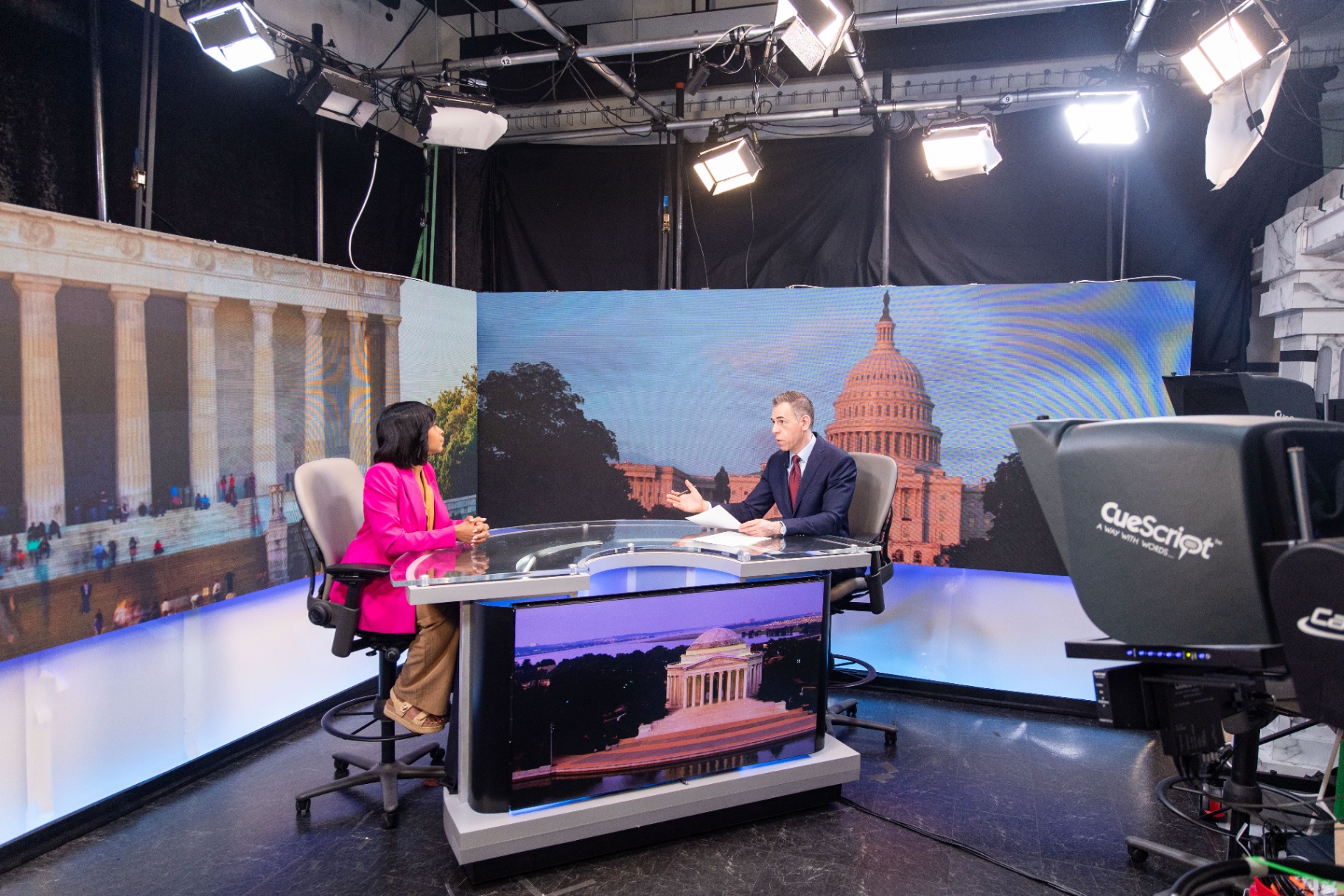
MEDIA MASTERY EXPERTS IN ACTION
See how our EMMY-winning journalist and top executive coach help leaders turn every interview into a credibility-building moment.
WHAT YOU'LL LEARN
Message Discipline
Distill your expertise into quotable soundbites reporters can actually use.
On-Camera Presence
Body language, voice and eye-line so you land — not read — on TV.
Bridging & Blocking
Handle hostile questions without losing your message or your cool.
Pitching Journalists
Get earned news coverage without a PR firm — pitch like a journalist.
Neurobiology of Influence
Science-based tactics that build trust with an audience in seconds.
Crisis Communications
Own the story when the story is about you or your organization.
CHOOSE YOUR WAY TO TRAIN
On camera, on set, on stage or online.
MME LIVE!
4 days in Washington, D.C. — real TV studio, mock interviews with a working journalist, stage practice, personal branding headshots and pitch coaching.
SEE THE AGENDA →VIRTUAL COURSEMedia Mastery Course
On-demand course plus live group coaching with Mark & John. Train from anywhere, practice on camera weekly and get feedback that actually moves the needle.
EXPLORE THE COURSE →PRIVATE1:1 Private Coaching
One-on-one executive communication and media coaching with John Bates and/or Mark Albert, tailored to your goals, message, and next high-stakes moment.
BEGIN PRIVATE COACHING →ON-SITELeadership Communication Training
Tailored leadership and communication workshops for corporate teams, delivered on-site by Mark Albert and John Bates.
BRING MARK & JOHN ON SITE →Not sure which option fits you?
Tell us what you're trying to accomplish — media appearances, keynote prep, crisis readiness, or building a personal brand — and we'll point you to the right path.
Book a Strategy Call →7 MEDIA INTERVIEW TIPS FROM THE NEWSROOM
Tactics Mark Albert used booking and interviewing experts inside network newsrooms for 25 years — use them in your next interview.
- 1
Lead with your headline
Reporters keep the first 10 seconds. Say your single most important point first, then support it — never build to it.
- 2
Answer in soundbites, then stop
Aim for 10-20 seconds. Silence after a tight answer is the reporter's problem, not yours. Rambling is what gets you cut or misquoted.
- 3
Bring three messages, not thirty
Decide before the interview what three things you want quoted. Every answer bridges back to one of them.
- 4
Use a story, a number and a stake
One human example, one credible figure, and why it matters to the audience. That combination is what producers pull for air.
- 5
Never repeat a negative premise
If the question contains a loaded word, reframe in your own language instead of echoing it. The echo is the clip that airs.
- 6
Say 'I don't know' — then say what you do know
Guessing is how credibility dies. Admit the gap, offer to follow up, and pivot to the part you can speak to with authority.
- 7
Treat the mic as always live
Before, after, during the break. Warm-up chat has ended more careers than hard questions ever have.
MEDIA TRAINING FAQ
What is media training?
Media training teaches you how to deliver clear, quotable answers to journalists on TV, radio, podcasts and print — without freezing, rambling or getting pulled off-message.
Who is media training for?
Executives, founders, authors, scientists, doctors, non-profit leaders, keynote speakers, and any subject-matter expert who wants to be quoted, booked and remembered.
How much does media training cost?
Our in-person MME LIVE! bootcamp in-studio in Washington, D.C., and our virtual Media Mastery Experts Group Coaching Community online course vary in cost, depending on tier and dates. Our done-with-you Catalyst PR+ service to help you get media and speaking engagements are retainer-based. For specific pricing to meet your needs, schedule a complimentary strategy session today. Private, 1:1 media training is also available, along with crisis communications training and tabletop exercises.
Do you offer virtual media training?
Yes. Our Media Mastery Experts Group Coaching Community pairs 10 weeks of on-demand video modules with 2x weekly live, hour-long group coaching from Mark Albert and John Bates. You're welcome to stay in the Community for 16 weeks; after that, it costs just $97/month.
Who teaches your media training?
Mark Albert, EMMY-winning former CBS News correspondent and leader of a national investigative unit for Hearst, and John Bates, one of the world's top TEDx and executive communication coaches. The head of our Catalyst PR+ program and our studio producer each have spent decades in newsrooms, as well. We are not a traditional PR firm. We've lived it in actual newsrooms and in live television.
Ready to see what media training can do for you?
Book a Strategy Call →